Sean Gittins — Berlin
Where play, care and creativity meet.
English-speaking play therapy, supervision and creative relational work based between Berlin and the UK.

For parents
Play Therapy andParent Support in Berlin.
English-speaking support and counselling for children and adolescents along with the adults around them. For families navigating anxiety, school stress, confidence, friendships, regulation and transition.
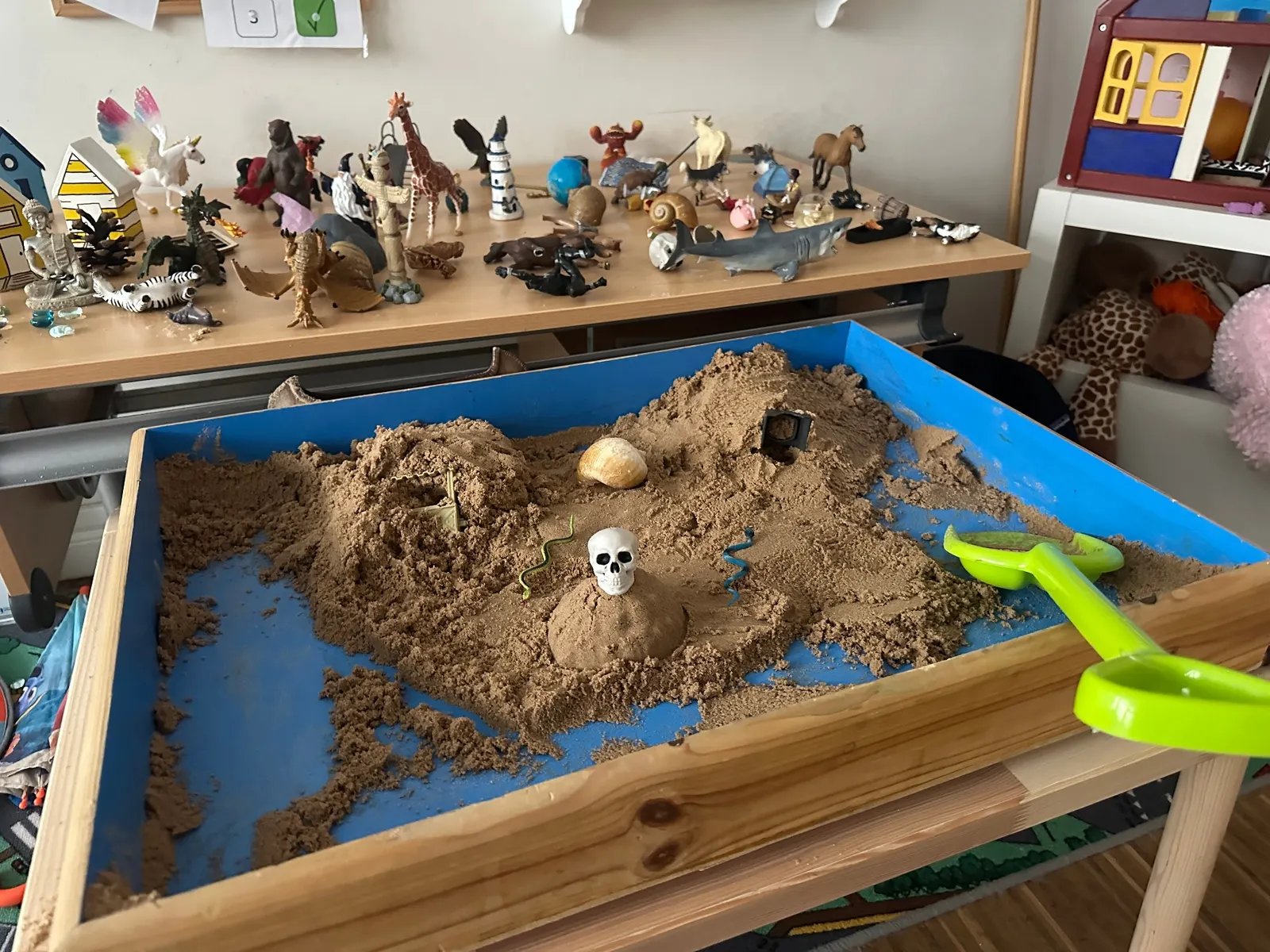
Children rarely sit down and tell you exactly what’s wrong, but through play they often show it — in the stories they create, the roles they take on, what they avoid, and what keeps returning. Play therapy helps children work through emotional, social, and behavioural challenges, supporting them to feel more secure, confident, and able to cope at home, in school, and in relationships.
What it can help with
Families come for many reasons. A few of the most common —
- Anxiety, worry and overwhelm
- Difficulty at school — friendships, focus, refusal
- Confidence and self-esteem
- Emotional regulation and big feelings
- Attachment, separation and bonding
- Family transitions — moves, separation, new siblings, bereavement
- Adjustment for international and bilingual families
- Behaviour that feels stuck or confusing at home
If you're unsure whether what you're seeing at home is "enough" to bring — please get in touch anyway. A conversation costs nothing and often clarifies a great deal.
How it works
A simple, stable process.
Four stages, with parents closely involved throughout
- 01
Initial Parent Consultation
We begin with an Initial Parent Consultation — usually just the parents, without your child present. You tell me what's been happening at home and at school, what you've already tried, and what you're hoping for. Together we explore your child's developmental history, strengths and current experiences, and decide on the most appropriate next step. This is a professional consultation in its own right (60 minutes, €80).
- 02
First meetings with your child
The first two or three sessions are gentle and unhurried. Your child gets to know the room, the different ways we work together through play, art and story, and me. There's no pressure to talk about anything in particular. I'm watching, listening and beginning to understand how they experience the world and express themselves within it.
- 03
Regular sessions
We then settle into a regular rhythm — usually one session a week, at the same time, for an agreed period. Children use sand, figures, art, story and movement to work through what they're carrying. The consistency itself is part of the work.
- 04
Parent reviews
Every eight to twelve weeks we meet again as parents to look at how things are going — at home, at school, in the room. You are not on the outside of this work. Your noticing, your questions and your relationship with your child are central to it.
Sessions are in English. I work with many international and bilingual families living in Berlin.
Learn more about play therapy
Seeing play therapy in action.
A short introduction to how play therapy helps children express what they cannot yet say in words.

About
A therapist who came to this work through play.
I am a Play Therapist, Counsellor and Supervisor based in Berlin. I trained through Play Therapy UK, in a humanistic, client-centred tradition with a gestalt influence. Before that — and still now — I worked in teaching, drama, music and performance.
Alongside counselling and play-based work with children, my background includes theatre, clowning, music and creative practice, all of which continue to shape how I think about emotional communication, presence and relationship.
I have worked with children and young people across schools, therapeutic settings and community environments in both the UK and Berlin. Living and working internationally has also given me a strong awareness of the particular pressures many families experience while moving between languages, cultures and different ways of living. For many children, emotional difficulties can emerge quietly through transitions, school pressures, separation, friendship difficulties, anxiety or changes within family life.
More about my background →Alongside the therapy work
Supervision, acting and teaching.
Different rooms, same craft — attention, play and relationship.
Supervision
Regular reflective sessions for play therapists, counsellors, clowns, performers and teachers — thinking through specific clients, audiences and rooms.
Individual and small-group, in person in Berlin or online.
Hospital and Healthcare Clowning
Ongoing work in paediatric wards, care homes and refugee centres as a clown, actor and musician. Workshops for performers and care staff.
Ward visits, stage runs, festivals, and workshops in arts and care settings.
Teaching and Alexander Technique
I have taught academic subjects since 2012 to children and adults as well as drama, improvisation and clown workshops. I am currently a trainee teacher of the Alexander Technique, aiming to bring a more embodied approach to my work through its support.
One-to-one lessons and group workshops.
Fragments
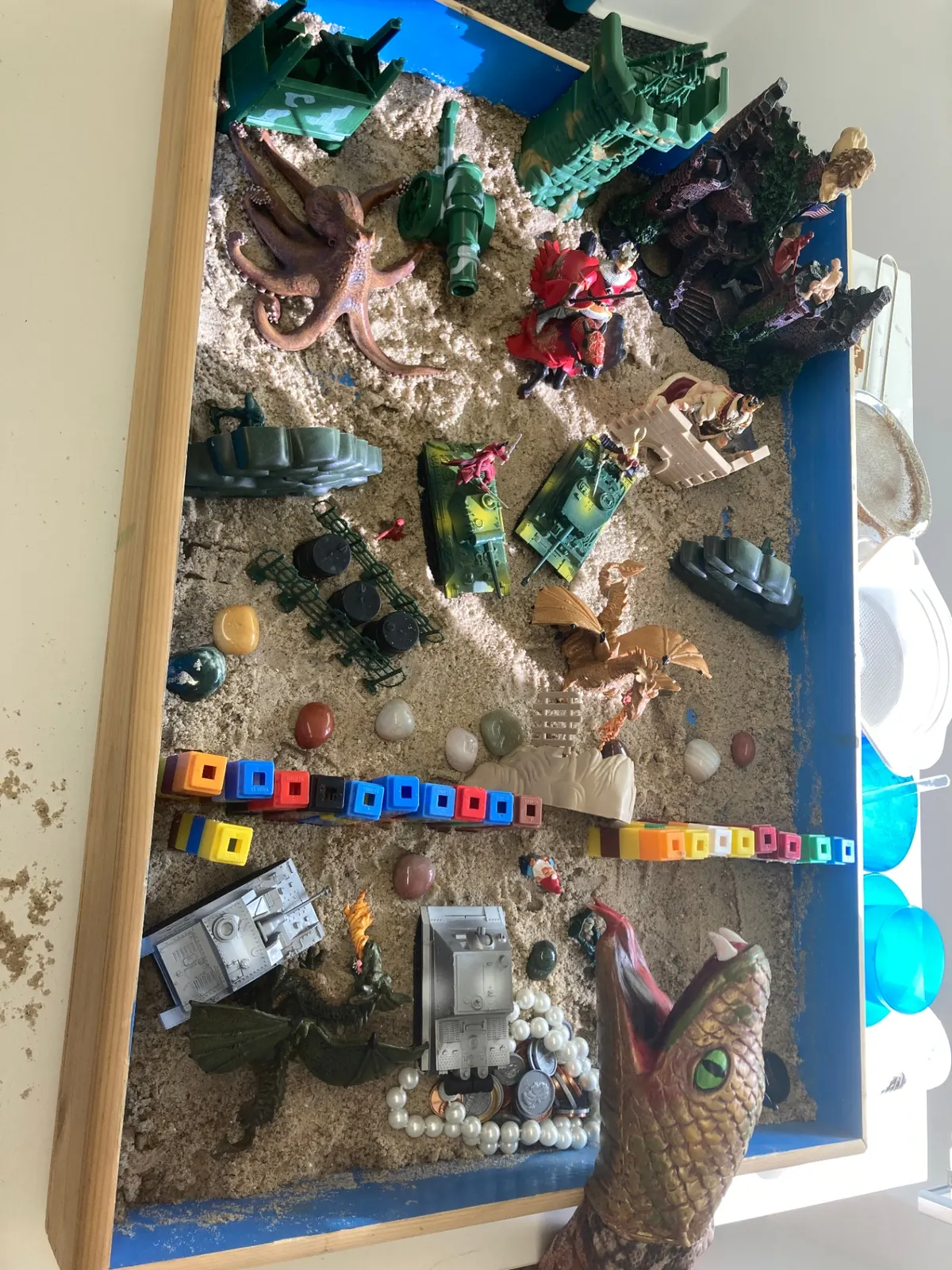
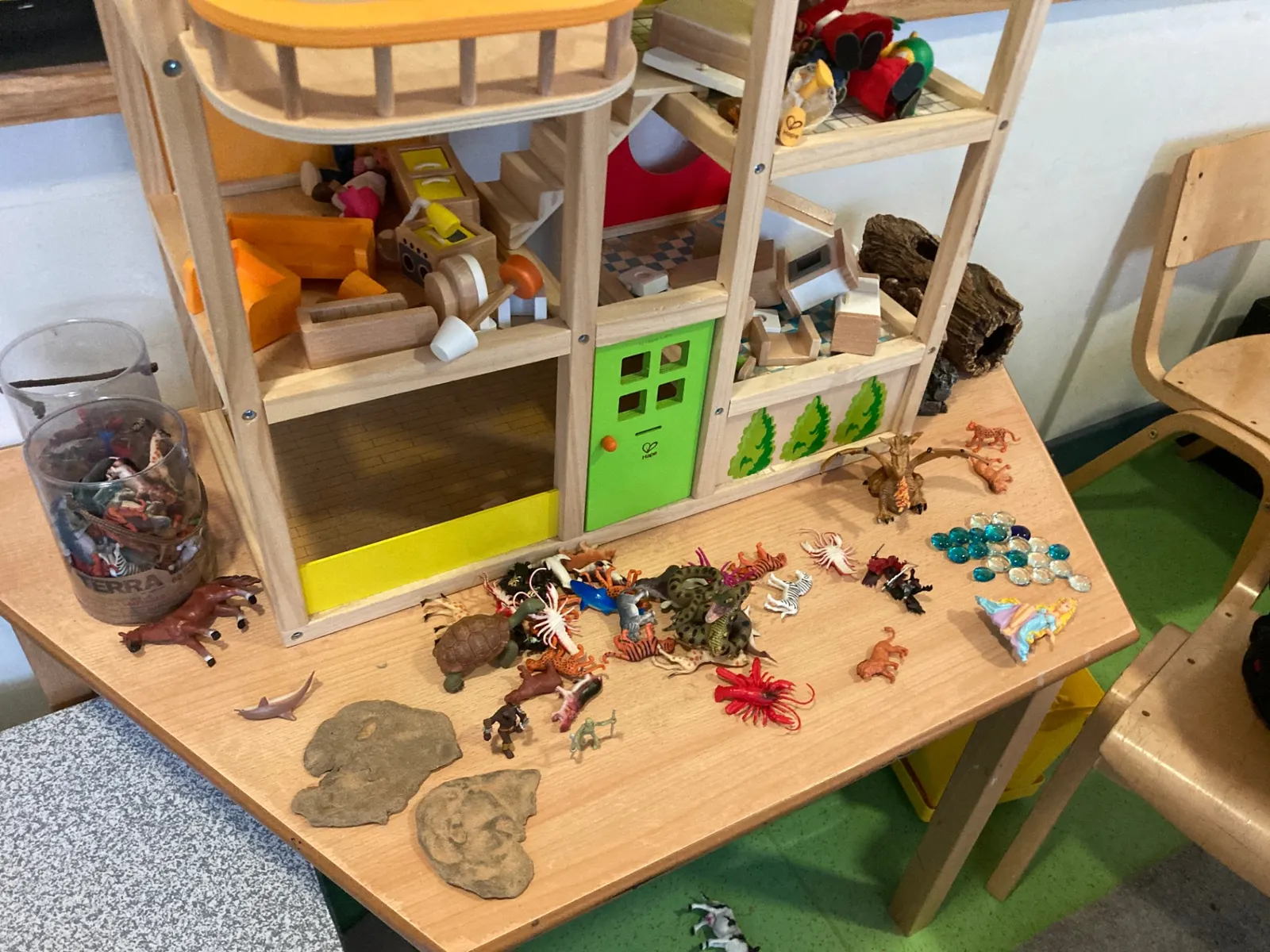
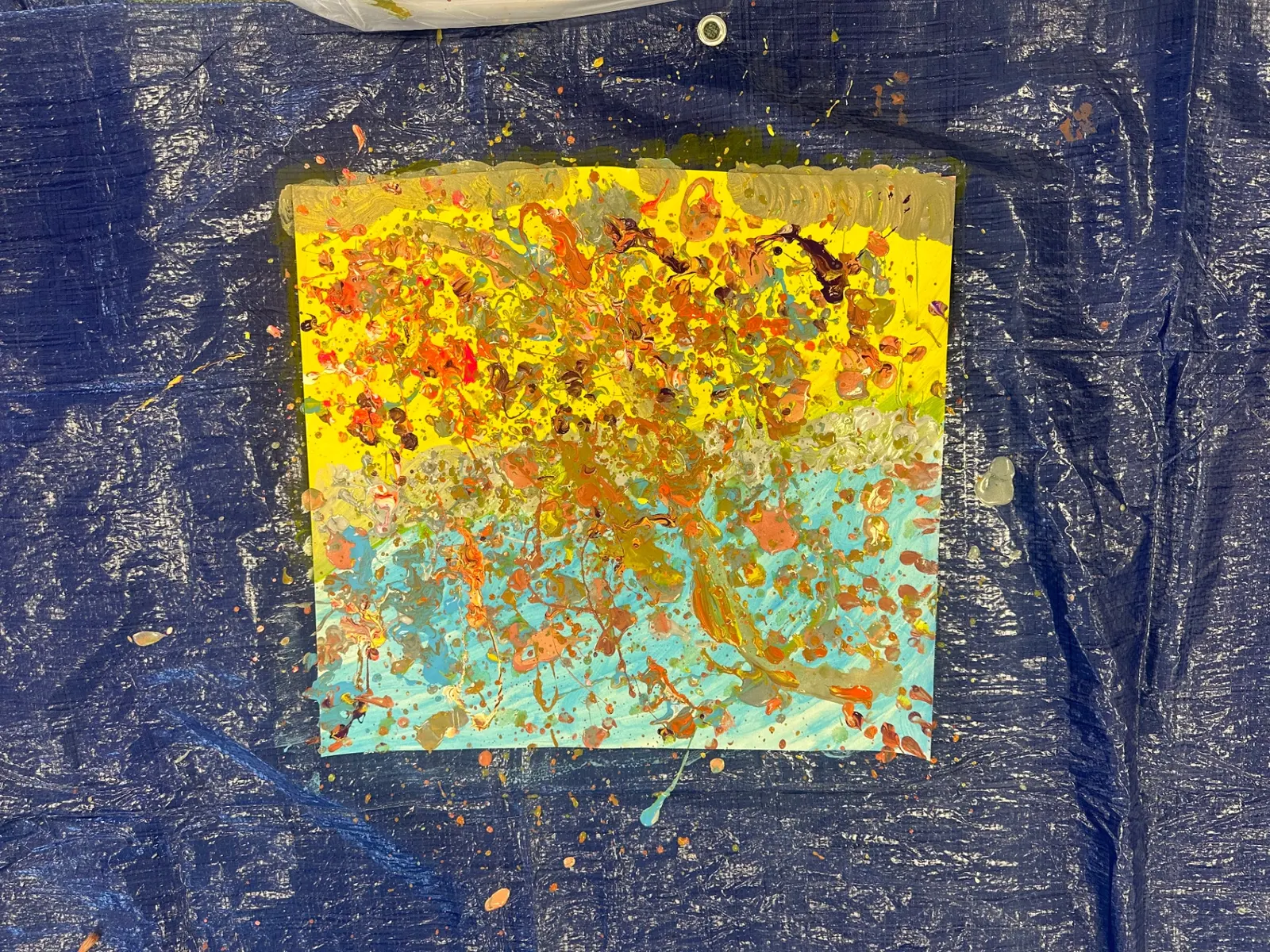
From the rooms I work in
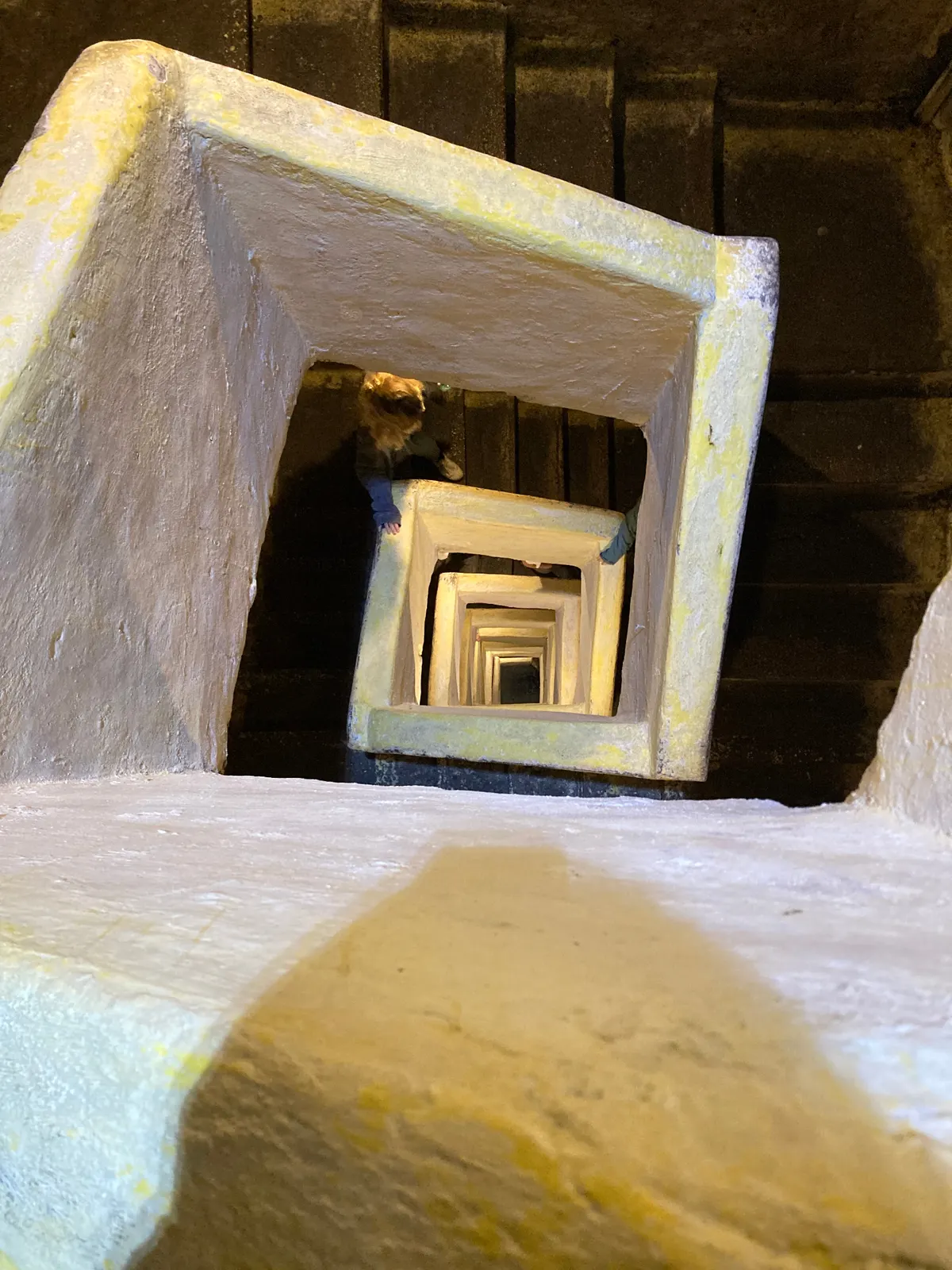
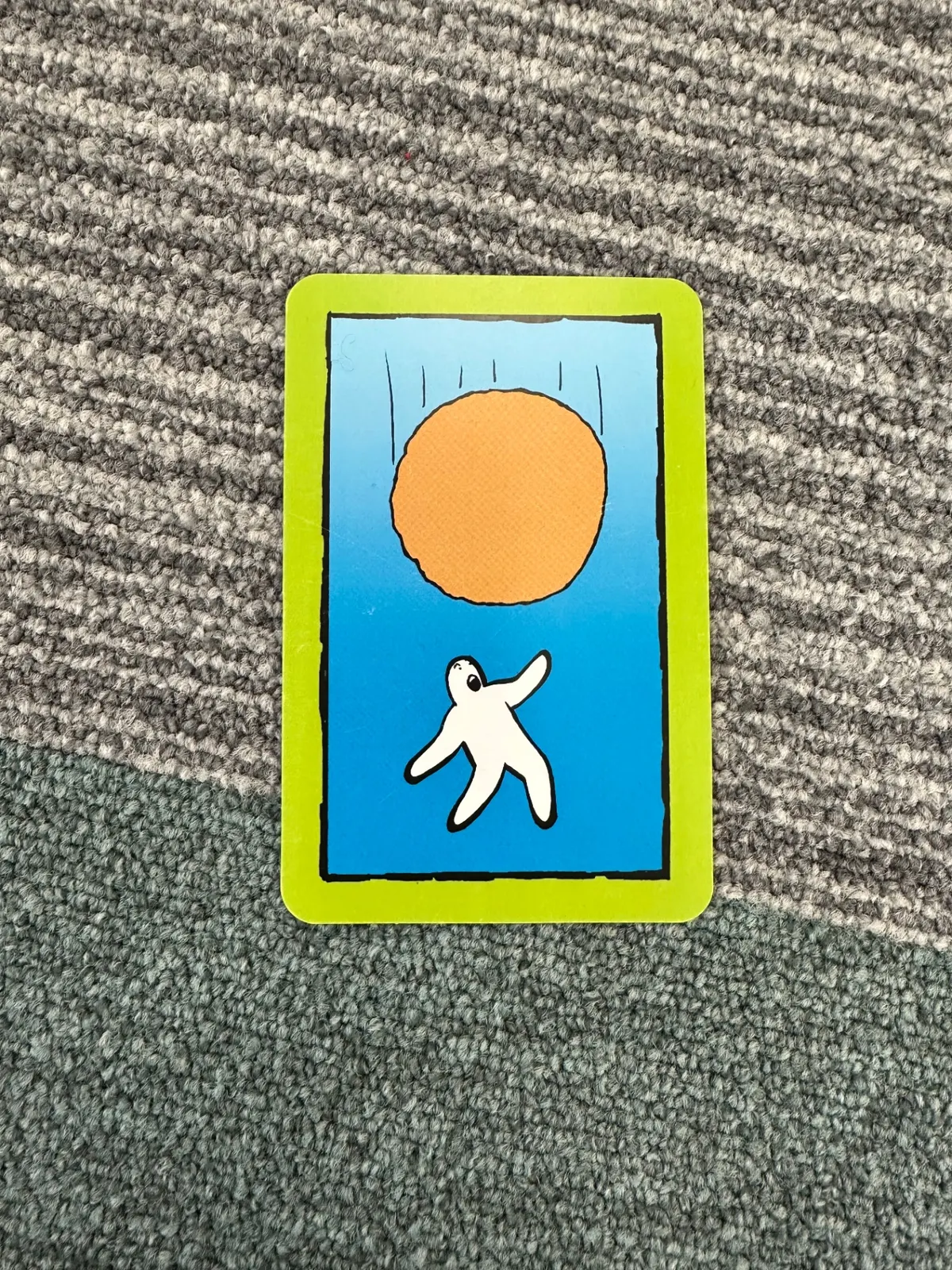
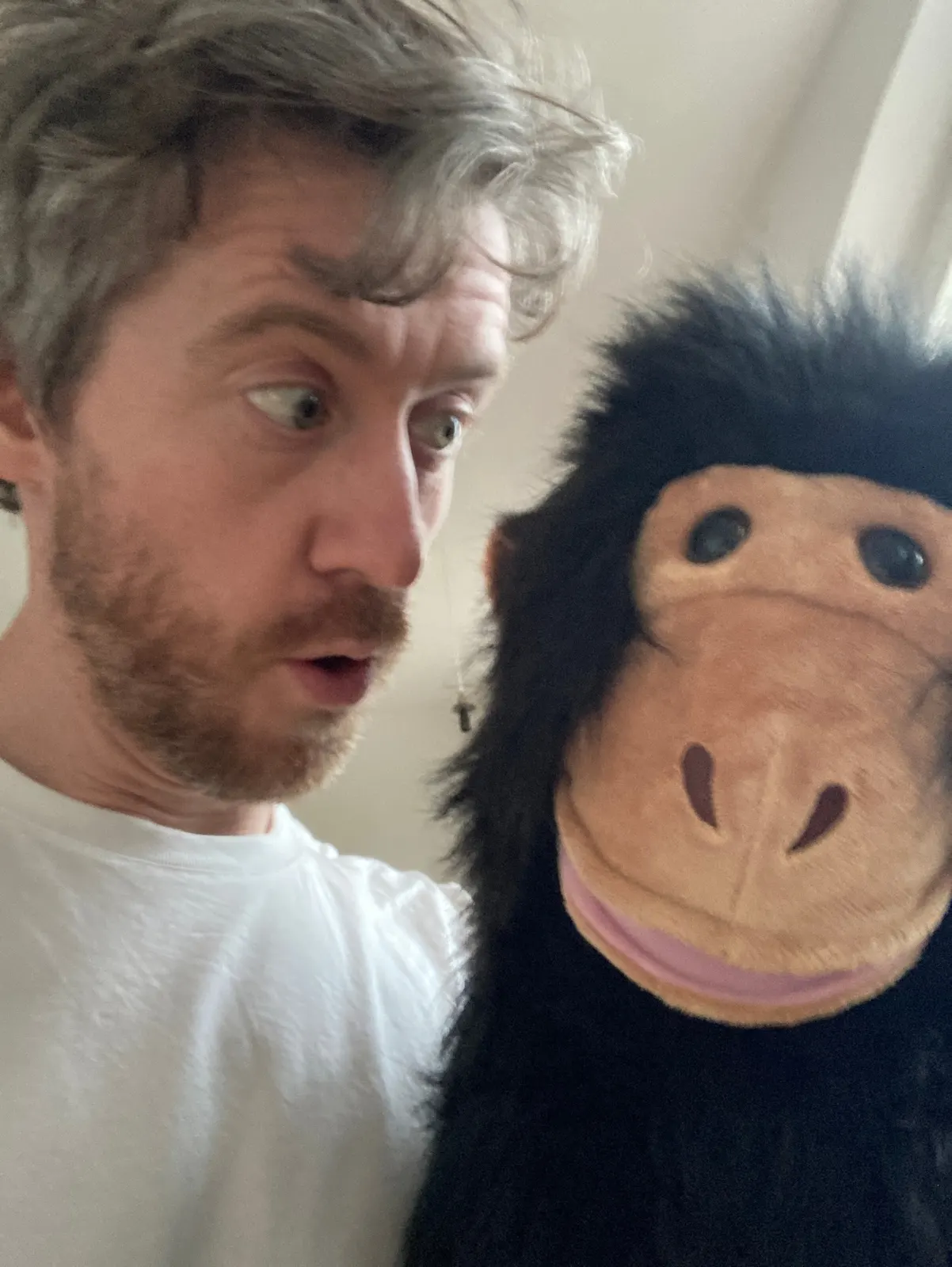
A few photographs, taken between things.
Common questions
What parents often ask.
- How does therapy begin?
- Therapy usually begins with an Initial Parent Consultation without your child present. This gives us time to understand your concerns, discuss your child's development and relationships, and decide together on the most appropriate way forward.
- How much does the initial consultation cost?
- The Initial Parent Consultation lasts approximately 60 minutes and costs €80.
- What if I'm not sure whether my child needs therapy?
- Many parents contact me because they are unsure what support would be most helpful. The purpose of the Initial Parent Consultation is to think carefully together about your child's experiences and decide whether play therapy, parent consultations or another approach would be the most appropriate next step.
- Do both parents need to attend?
- Where possible, I encourage both parents or primary caregivers to attend the initial consultation, although every family is different and this is not always necessary.
- Do you work in English?
- Yes. All sessions with children, adolescents and parents are in English. I work with many bilingual and international families in Berlin.
- What ages do you work with?
- I work with children and adolescents — roughly from age 4 through the teenage years — alongside their parents.
- Where in Berlin are you based?
- Sessions take place in person in Berlin. Please get in touch for the practice address and to arrange an Initial Parent Consultation.
- How long does play therapy usually take?
- Sessions are weekly, at the same time, for an agreed period. Many families work with me over several months, with parent reviews every eight to twelve weeks to look at how things are going.
- Do you offer parent-only sessions?
- Yes. Some parents come for consultation about what they are noticing at home, without their child attending. This can be a useful starting point on its own.
- What kinds of difficulties can play therapy help with?
- Anxiety, school stress, friendship and confidence difficulties, big feelings and emotional regulation, attachment and separation, family transitions such as moves, separation, new siblings or bereavement, and adjustment for international and bilingual families.
For parents who are unsure
Unsure whether your child needs therapy?
Many parents contact me because they are concerned about changes in their child's emotions or behaviour but are unsure what support would be most helpful.
The first step is an Initial Parent Consultation, where we can think carefully together about your child's needs before deciding on any further support.
- Duration
- 60 minutes
- Fee
- €80
Get in touch
Book an Initial Parent Consultation.
- Play therapy and counselling for a child or young person in Berlin
- Parent consultation about something you're noticing at home
- Supervision for your own therapy, teaching or performance practice
- Hospital clowning, performance or workshop bookings
- Teaching for individuals and groups